


Earth Day, observed on April 22, is framed this year less as an environmental campaign and more as a question of how people live and sustain themselves. Under the theme “Our Power… Our Planet,” the call is for collective action not only to limit damage, but to rethink how resources are used to support long-term stability.
Against that backdrop, Sharjah-based humanitarian organization The Big Heart Foundation (TBHF), links environmental protection with livelihoods, focusing on restoring agricultural land and turning it into a source of income for vulnerable communities, particularly refugees, helping build more stable and independent livelihoods.
Zanzibar
In Zanzibar, for example, TBHF’s project puts their ethos into practice. The foundation partnered with Maisha Bora Foundation on projects supporting 200 women and young people in herb and seaweed farming.
The project includes technical training in sustainable farming, along with support to improve product quality and access to markets. It has also introduced contract farming and linked participants to the blue economy, with a focus on more sustainable use of marine resources.
TBHF uses solar power to run services, including its mobile clinics in Zanzibar, which serve low-income communities and refugees. The shift reduces reliance on fuel and allows clinics to operate more consistently in remote areas. Through this approach, the entity delivers aid, combining service delivery with longer-term efforts to reduce environmental impact and support self-reliance.
Morocco
Similar efforts are underway in Morocco’s High Atlas region, where TBHF is working with the High Atlas Foundation on the “Rising Root Morocco” initiative, training 24 young people in agroecology, environmental education and community-based entrepreneurship to lead locally driven projects that support sustainable livelihoods in rural communities.
Gaza
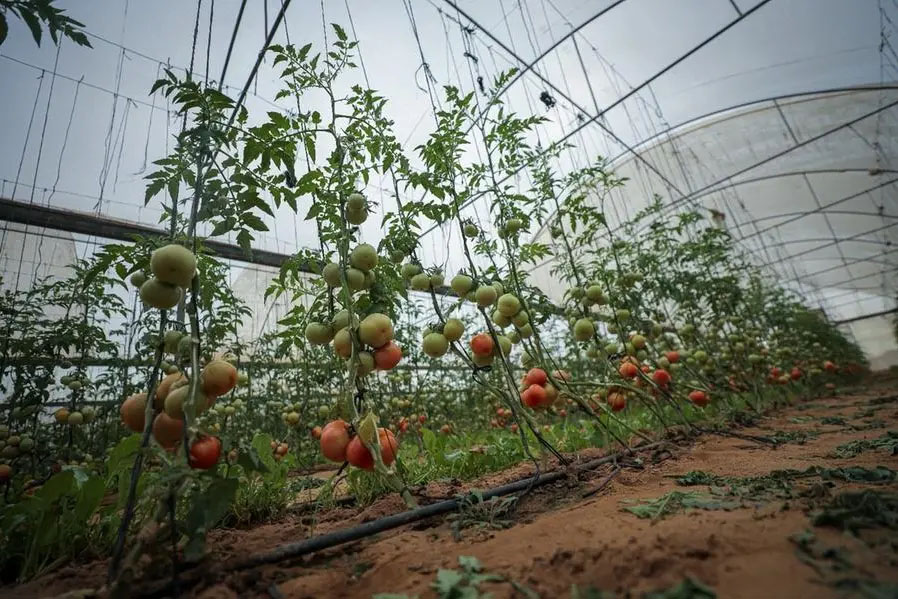
In the Gaza Strip, the foundation is working with ANERA on projects to rehabilitate farmland and help farmers restore their livelihoods.
Issam, a 60-year-old farmer from Deir al-Balah, offered his land, which was used for cultivation for several decades, as a shelter for displaced families during the war who moved into his greenhouses. His home was also damaged in the fighting.
He has since begun rebuilding with support from TBHF through ANERA, including greenhouse covers, seeds, and pesticides, as well as practical training in farming and crop protection.
Integrated strategies and a long-term vision
H.E. Mariam Al Hammadi, member of the advisory board at TBHF, said humanitarian work cannot be separated from the wider challenges facing communities: “Humanitarian response must go beyond emergency relief to address how people sustain their livelihoods. That means linking support for communities with the protection of the resources they depend on for their stability.”
She added: “Earth Day is a reminder that development cannot be separated from protecting the planet. Every humanitarian effort carries a dual responsibility: supporting people today while safeguarding the environment that secures their future. We are working to deliver programmes that do both, helping build communities that are more resilient and better able to manage their resources.”
The work led by TBHF in Zanzibar, Morocco, Gaza, and other regions points to a model that can be replicated in countries facing both poverty and environmental strain, linking land restoration with income generation and more stable local economies.
As Earth Day focuses attention on collective action, the projects show how humanitarian aid is shifting toward longer-term solutions built around local resources and community resilience.