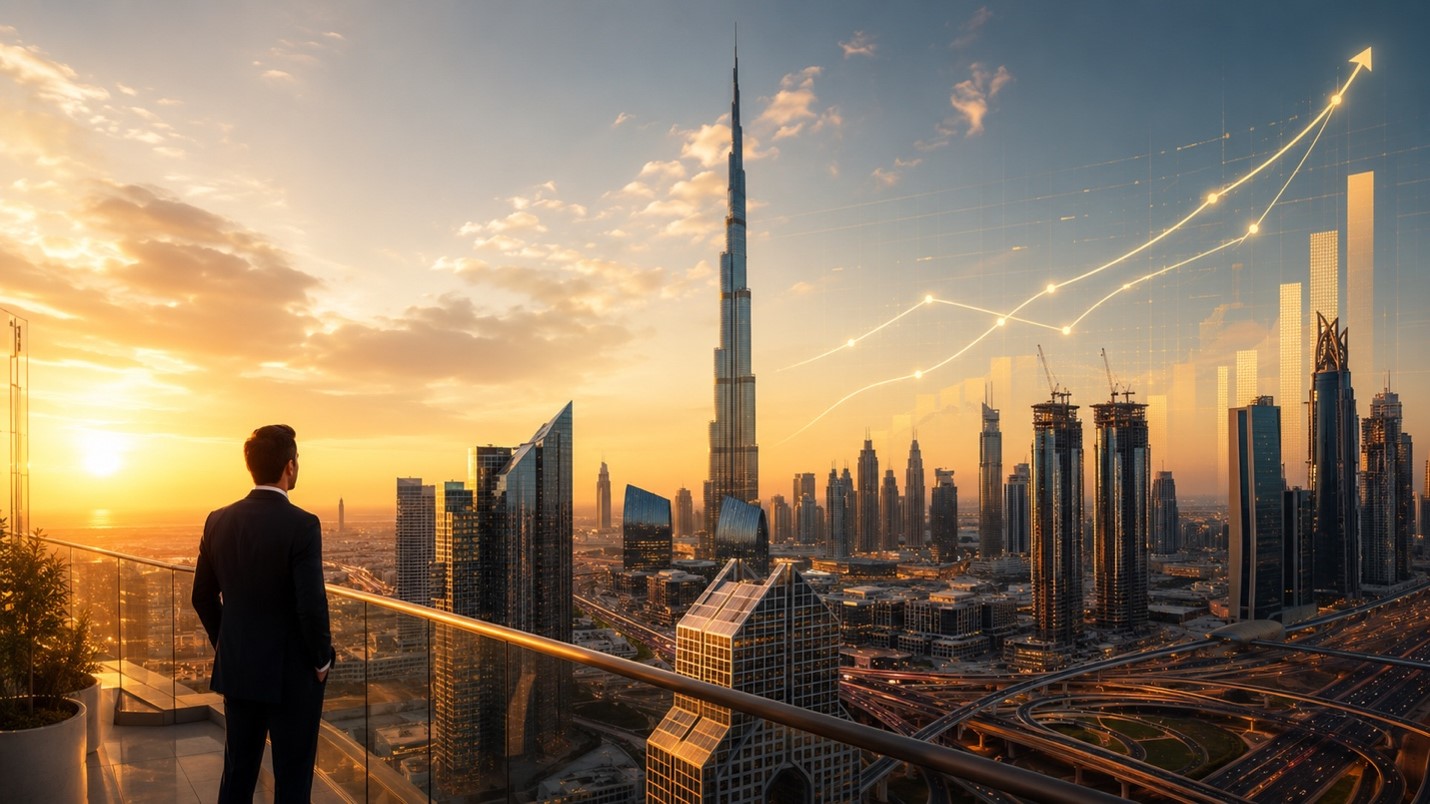
Dubai is known around the world for its iconic skyline, luxurious lifestyle, and ambitious infrastructure projects. However, beyond its impressive architecture [...]



Dubai is known around the world for its iconic skyline, luxurious lifestyle, and ambitious infrastructure projects. However, beyond its impressive architecture [...]
A contract breach in Dubai is not always dramatic at first. A payment is delayed, a service is only partly delivered, a partner stops replying, or the other side says that the agreement means something different. Many people wait, send more messages, [...]
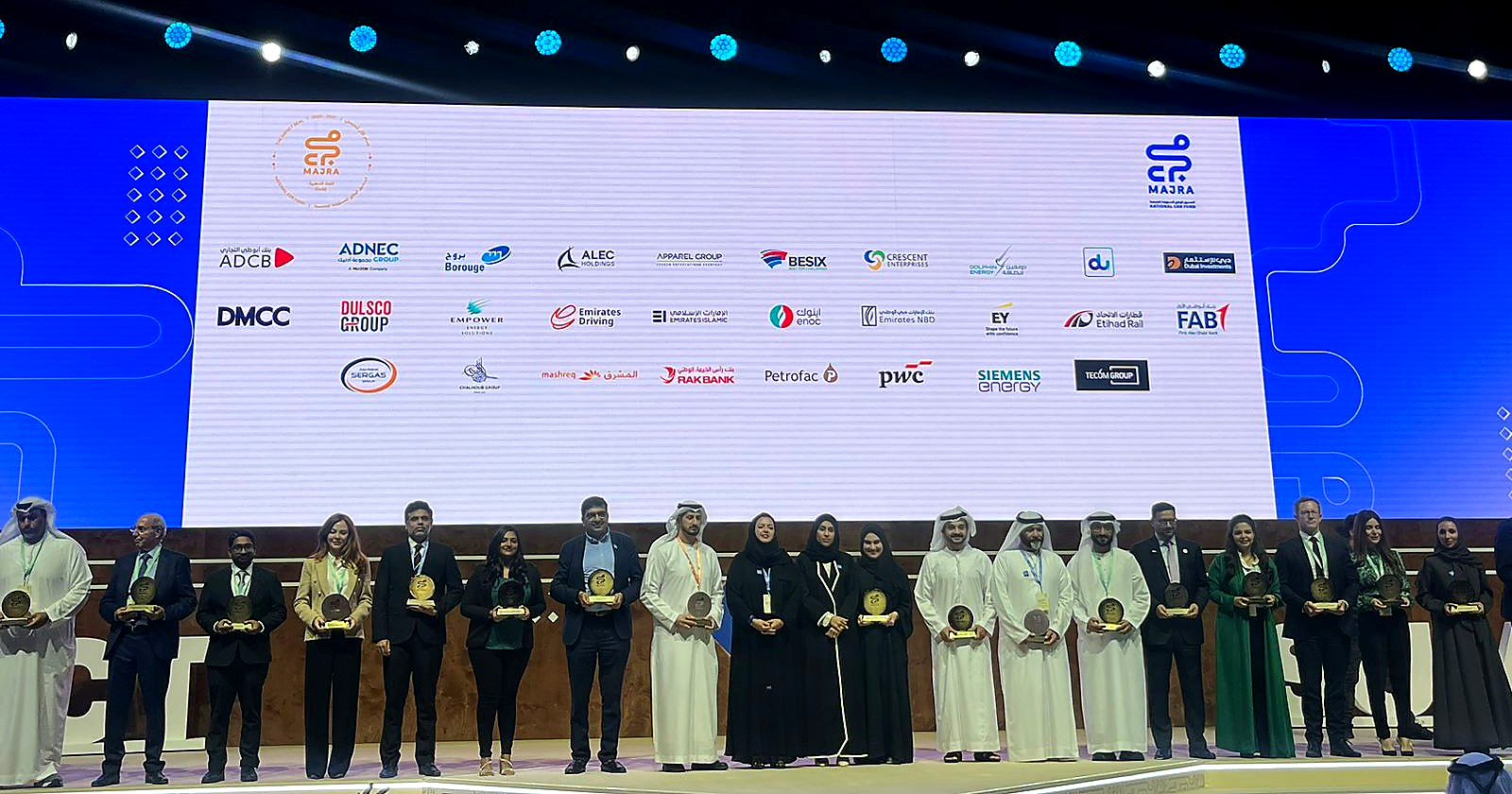
Crescent Enterprises, the leading multinational diversified business headquartered in the UAE, has received the Impact Seal, Gold Tier from Majra, the UAE’s national corporate social responsibility (CSR) fund, as part of the 2025 to 2027 Impact Seal cycle, in recognition of its sustained commitment to responsible business and measurable impact.
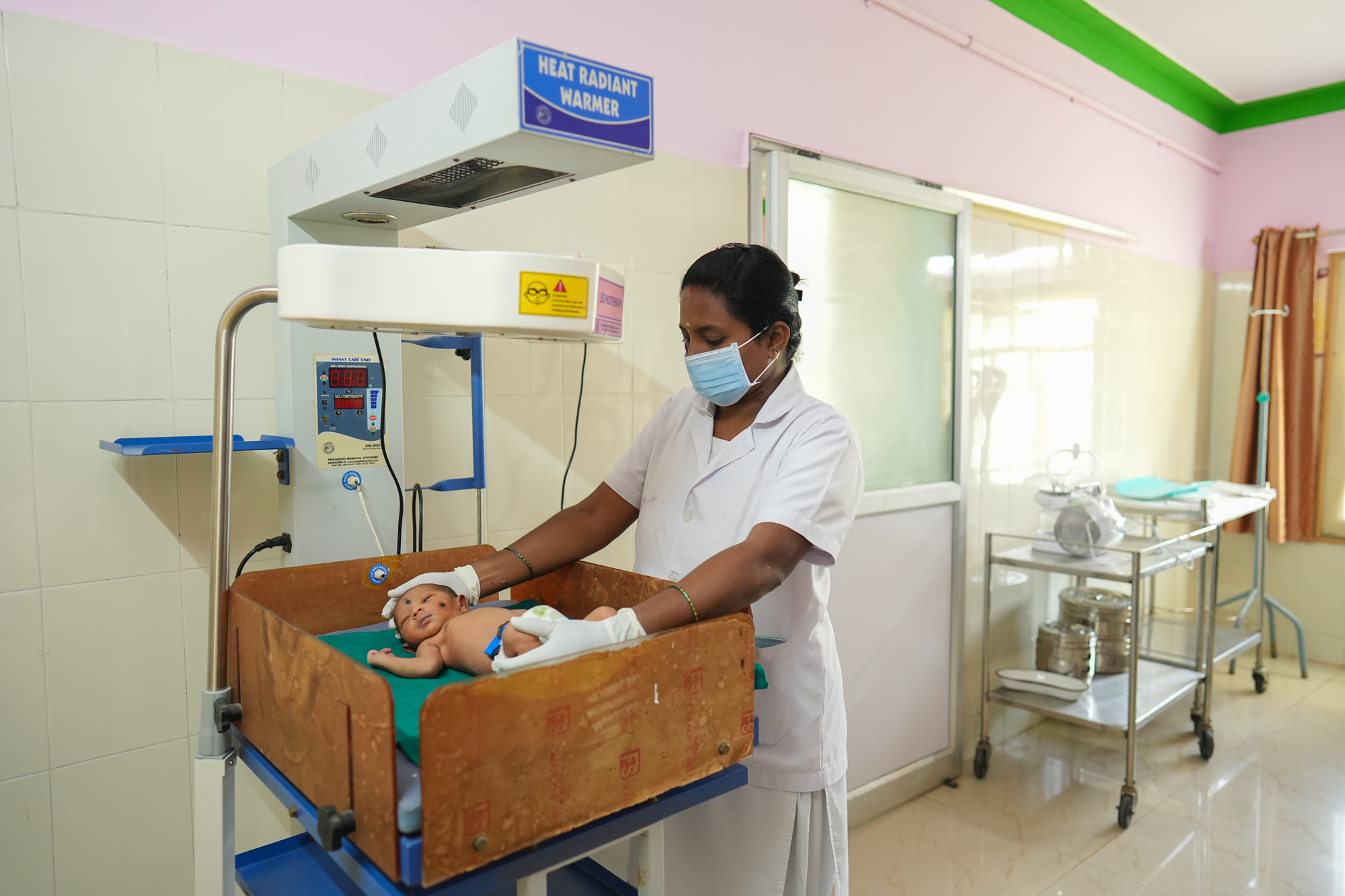
Beyond2020, the flagship initiative launched by the Zayed Sustainability Prize, the UAE's pioneering award for innovative solutions to global challenges, today announced the deployment of solar-powered health centres across India that improve access to reliable healthcare services for more than 200,000 people.
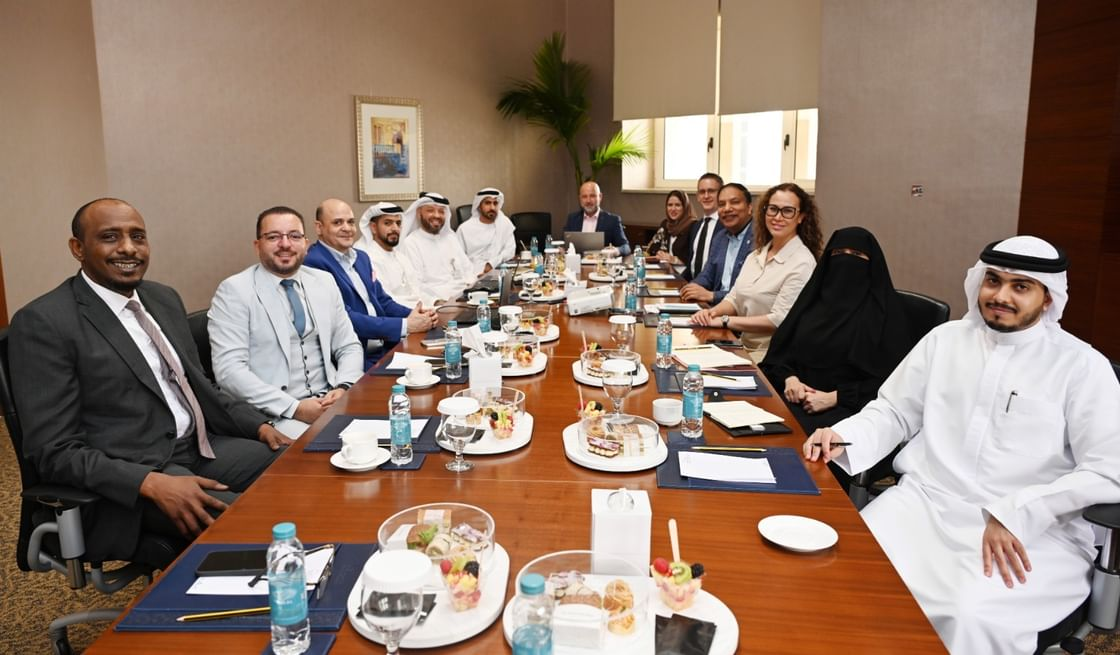

Langham Hospitality Group (LHG) has strengthened its focus on resource efficiency and circularity across its hotel portfolio, with each property implementing creative solutions to minimise food waste. Driven by its ongoing sustainability mission, this initiative invites culinary and bar teams to develop unique food and drink items that directly address location-specific excess. It is designed to support more responsible kitchen practices by maximising the use of ingredients, while preserving the quality and sense of enjoyment that define LHG's dining experiences.

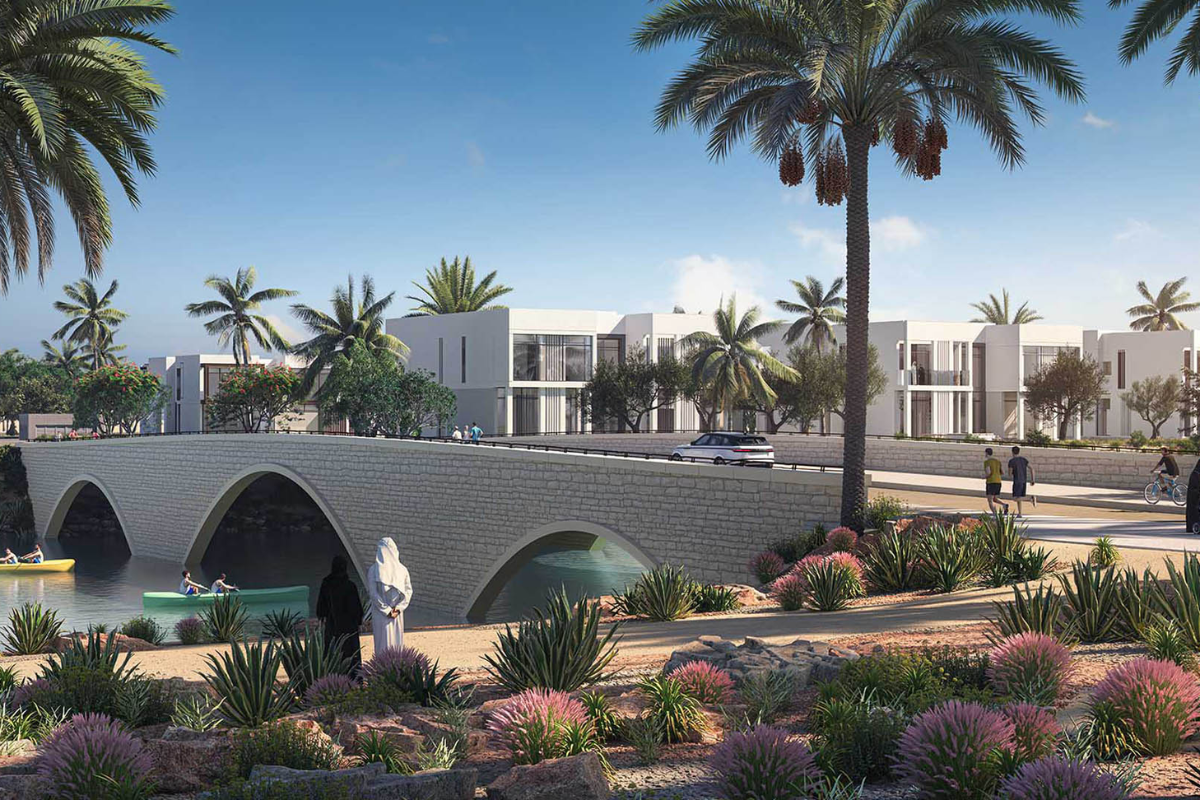
For much of the last decade, a green building certificate has been treated as the finish line for sustainable development in the UAE. A project reached its target Pearl rating, or hit its LEED tier, and the story largely ended there, filed away as a marketing point at handover. That story is changing. As buyers, regulators, insurers and environmental groups ask harder questions about long-term performance, UAE developers are increasingly moving past the one-time badge and building systems that track environmental impact continuously, long after the ribbon has been cut.