


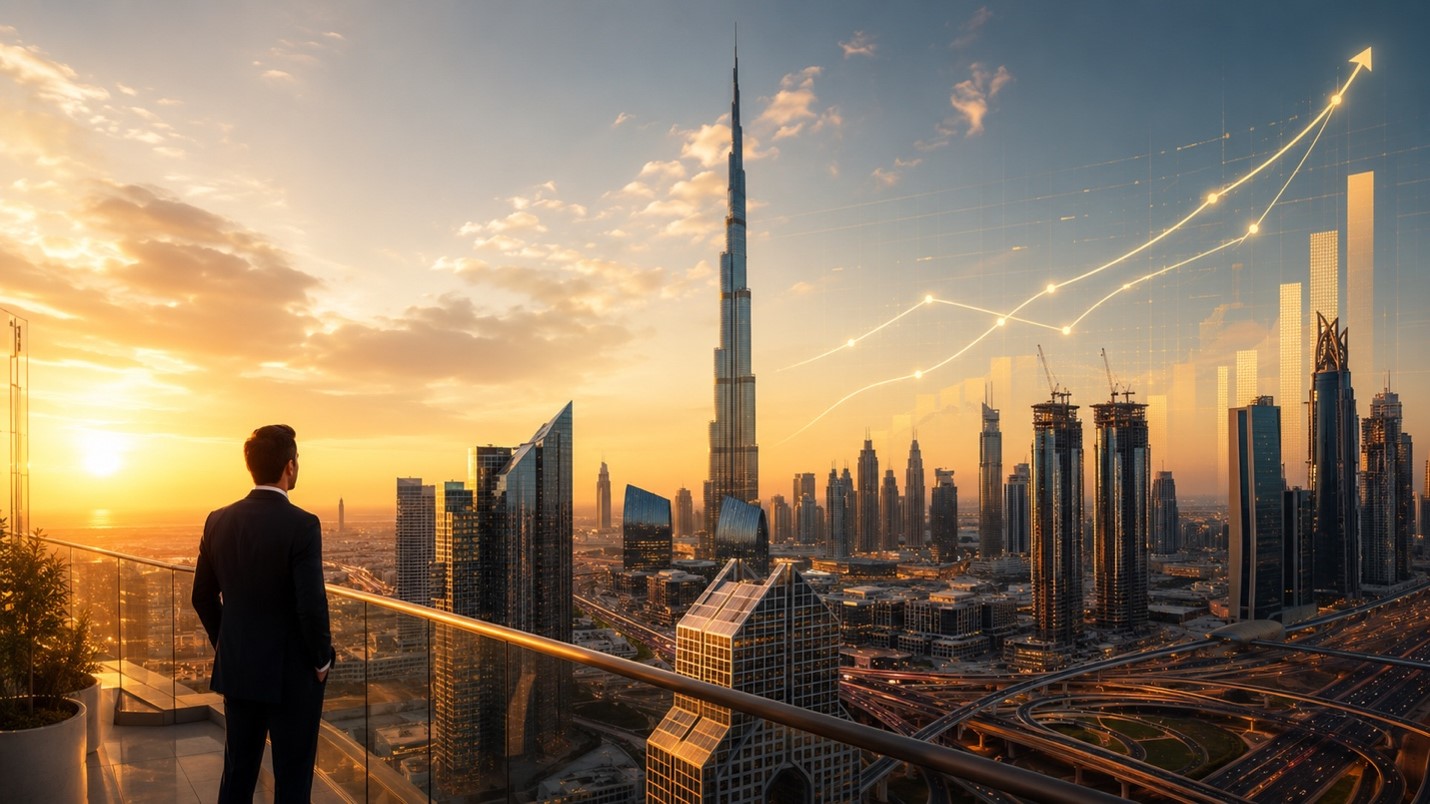
Dubai has emerged as one of the world’s leading cities in sustainable urban development. While it is known globally for its impressive skyline and rapid economic growth, the emirate is also investing heavily in renewable energy, green infrastructure, smart mobility, and environmental conservation. Guided by ambitious long-term strategies such as the Dubai Clean Energy Strategy 2050, Dubai Economic Agenda (D33), and the UAE Net Zero 2050 initiative, the city aims to balance economic expansion with environmental responsibility.
Here are five of Dubai’s most impactful sustainability initiatives.
1. Mohammed bin Rashid Al Maktoum Solar Park
The Mohammed bin Rashid Al Maktoum Solar Park is the flagship renewable energy project in Dubai and one of the largest solar parks in the world. Developed by the Dubai Electricity and Water Authority (DEWA), the project is expected to reach a capacity of 7,260 MW by 2030.
The solar park combines photovoltaic (PV) and concentrated solar power (CSP) technologies to generate clean electricity for hundreds of thousands of homes. It significantly reduces carbon emissions while supporting Dubai’s objective of sourcing 100% of its energy production capacity from clean energy by 2050.
Key benefits include:
- Reduction of millions of tonnes of CO₂ emissions annually
- Lower dependence on fossil fuels
- Increased energy security
- Creation of green jobs and investment opportunities
The project has become a global benchmark for large-scale renewable energy deployment.
2. Dubai Clean Energy Strategy 2050
The Dubai Clean Energy Strategy 2050 is the city’s long-term roadmap for transitioning toward sustainable energy. It aims to make Dubai a global center for clean energy innovation and green economy development.
The strategy focuses on five pillars:
- Green energy infrastructure
- Legislative framework
- Funding mechanisms
- Research and development
- Building capabilities and awareness
Its ambitious targets include:
- 25% clean energy by 2030
- 100% clean energy production capacity by 2050
To achieve these goals, Dubai is investing in solar power, hydrogen technologies, battery storage, smart grids, and energy-efficient buildings.
The strategy also encourages private-sector participation, helping position Dubai as a regional leader in clean energy investment.
3. Green Building Regulations and Sustainable Urban Development
Dubai has transformed its construction sector through mandatory Green Building Regulations introduced by Dubai Municipality.
Every new building must meet sustainability standards covering:
- Energy efficiency
- Water conservation
- Sustainable construction materials
- Indoor environmental quality
- Waste reduction
These regulations have significantly reduced the environmental footprint of Dubai’s rapidly expanding real estate sector.
Major sustainable developments include:
- Sustainable City
- Expo City Dubai
- District 2020
These communities integrate:
- Solar-powered homes
- Electric vehicle charging
- Cycling infrastructure
- Urban farming
- Waste recycling
- Smart water management
The Sustainable City alone has demonstrated that residential communities can dramatically reduce energy consumption while maintaining a high quality of life.
4. Smart Mobility and Green Transportation
Transportation contributes significantly to urban carbon emissions. Dubai is addressing this challenge through an extensive smart mobility strategy.
Major initiatives include:
Expansion of Public Transport
Dubai Metro, Tram, and public bus networks continue to expand, encouraging residents to shift from private vehicles to mass transit.
Electric Vehicles
Dubai has installed hundreds of EV charging stations under DEWA’s Green Charger initiative, making electric vehicle ownership increasingly convenient.
Autonomous Transportation
Dubai aims for 25% of all transportation journeys to be autonomous by 2030. Self-driving taxis, autonomous buses, and smart traffic management systems are already being tested.
Cycling Infrastructure
Dedicated cycling tracks across areas such as Al Qudra and Jumeirah encourage environmentally friendly commuting while promoting healthier lifestyles.
These efforts reduce traffic congestion, improve air quality, and lower greenhouse gas emissions.
5. Waste Management and Circular Economy
Dubai has launched several ambitious projects to reduce landfill waste and promote a circular economy.
One of the most important initiatives is the Dubai Waste Management Centre in Warsan, one of the world’s largest waste-to-energy facilities.
The plant converts municipal solid waste into electricity while reducing landfill dependency.
Additional sustainability measures include:
- City-wide recycling programs
- Plastic reduction initiatives
- Smart waste collection systems
- Construction waste recycling
- Food waste reduction campaigns
Dubai has also introduced policies to reduce single-use plastics, encouraging businesses and residents to adopt reusable alternatives.
These initiatives help conserve natural resources while generating renewable electricity from waste that would otherwise end up in landfills.
Dubai’s Sustainability Vision
Dubai’s sustainability agenda extends beyond individual projects. The emirate is integrating environmental responsibility into every aspect of urban planning, infrastructure, and economic development.
Key focus areas include:
- Renewable energy expansion
- Green architecture
- Water conservation
- Smart city technologies
- Sustainable transportation
- Circular economy practices
- Climate resilience
- Biodiversity protection
These initiatives align with the UAE’s Net Zero 2050 commitment and reinforce Dubai’s ambition to become one of the world’s most sustainable and future-ready cities.
Dubai’s sustainability journey demonstrates that rapid urban development and environmental stewardship can progress together. Through landmark projects like the Mohammed bin Rashid Al Maktoum Solar Park, comprehensive clean energy strategies, green building regulations, smart transportation systems, and innovative waste management solutions, Dubai is setting new standards for sustainable cities worldwide.
As these initiatives continue to evolve, Dubai is not only reducing its environmental impact but also creating a resilient economy, improving quality of life for residents, and positioning itself as a global leader in sustainable innovation. The city’s commitment to clean energy, smart infrastructure, and responsible resource management serves as a model for other rapidly growing urban centers seeking a greener future.
Contributed by GuestPosts.biz